

The Earth Prize has announced the winner of its $200,000 environmental sustainability competition.
The Earth Prize named Team Delavo victorious in its 2023 edition of the competition. Comprised of four young women, Yagmur, Avjin, Damla, and Irmak from Diyarbakir, Turkey,...

Written by: Kimberly White
General Motors has announced its goal of reaching carbon neutrality by 2040. To meet this goal, the largest automaker in the United States is moving away from gasoline-powered vehicles.
The company will cease production of gas-powered vehicles...
Written by: Sue Palminteri
Courtesy of Mongabay
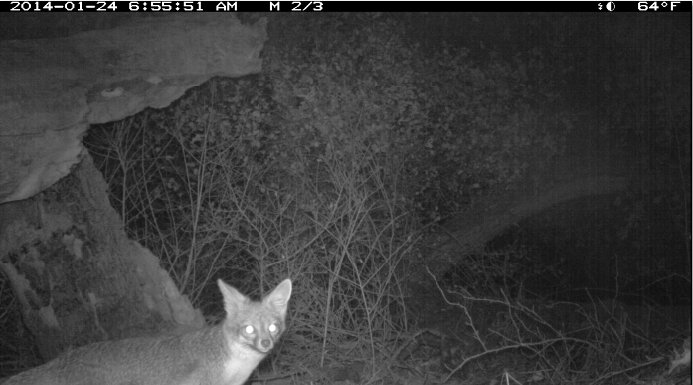
Conservation scientists are increasingly automating their research and monitoring work, to make their analyses faster and more consistent; moreover, machine learning algorithms and neural networks constantly improve as they process additional information.Pattern recognition detects...

Written by: Kimberly White
Hyundai Motor Company is launching a new brand dedicated to electric vehicles.
The brand is based on Hyundai’s existing vehicle named IONIQ that launched in 2016. The electric sedan was the first to offer three different electrified...
Written by: Victoria Masterson
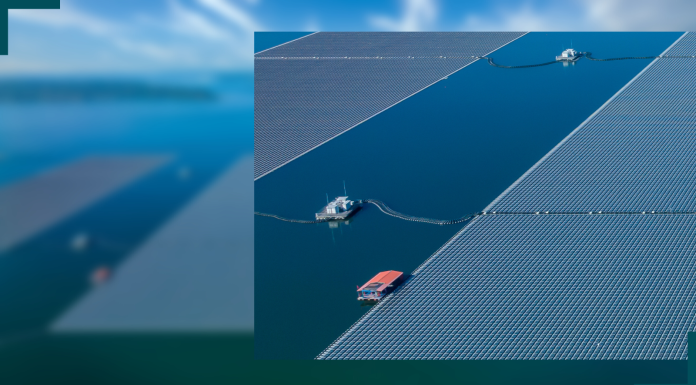
Floating solar farms are being built in growing numbers around the world.
They’re particularly popular in Asia, according to US space agency NASA, which has photographed one of the world’s biggest floating solar farms from space.
The 320-megawatt Dezhou Dingzhuang...
Written by: Christopher Bonasia
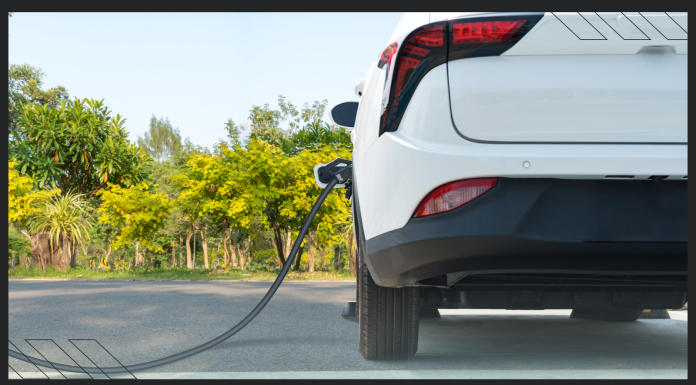
A new report chalks out pathways for the United States to heavily reduce the amount of mined lithium it needs to decarbonize transportation and sidestep “irreversible harms” to water, air, and animal habitats—especially near Indigenous lands.
“The...
Written by: Jeniffer Solis, Nevada Current
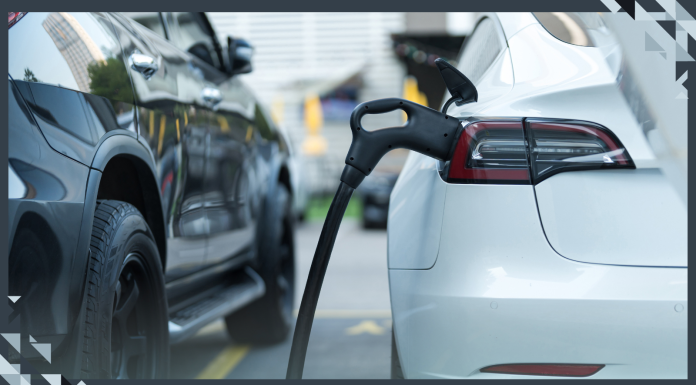
Electric vehicles are gaining ground in Nevada, with new cheaper models and federal incentives enticing drivers away from gasoline-dependent transportation.
The U.S. Environmental Protection Agency is expected to soon issue updated pollution limits for new...

Written by: Kimberly White
On May 7th, WattTime announced a new project in collaboration with Carbon Tracker, Google, and the World Resources Institute (WRI).
The project will quantify carbon emissions from all of the world’s largest power plants by utilizing...
Written by: Kimberly White
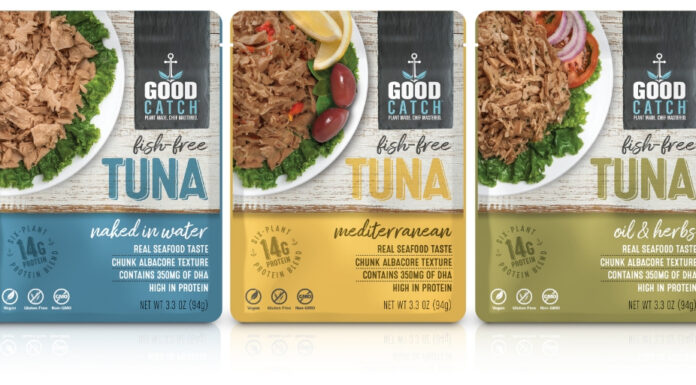
For many, canned tuna is a household staple. Valued at $1.5 billion USD, canned tuna is the third most popular seafood in the U.S.
One innovative company has set out to shake up the billion-dollar industry...

Courtesy of Landscape News
Written by: Augusta Dwyer
An international team of scientists has found an abundance of trees – more than 1.8 billion – in an area of West Africa that has received less attention for its foliage than for...
Latest article

Safeguarding the Australia’s Iconic Koala: NSW Government Unveils Plans for Landmark Conservation Reserve
Written by: Rhett Ayers Butler
Few animals tug at Australian hearts like the koala. Yet the marsupial, once common along the eastern seaboard, was declared...
How Healthy Soil and Land Creates Solid Ground for Global Resilience
Written by: Andrea Meza Murillo and Gill Einhorn
Beneath every field, forest and city lies the quiet infrastructure of life. Soil is the foundation for...

Growing a Mix of Plants in Fields Can Save Farmers Money and Help the...
Written by: Caroline Brophy
Farmers have increasingly sown a single type of grass in their fields over the past 100 years, and then added chemical...