
Courtesy of Landscape News
Written by: Augusta Dwyer
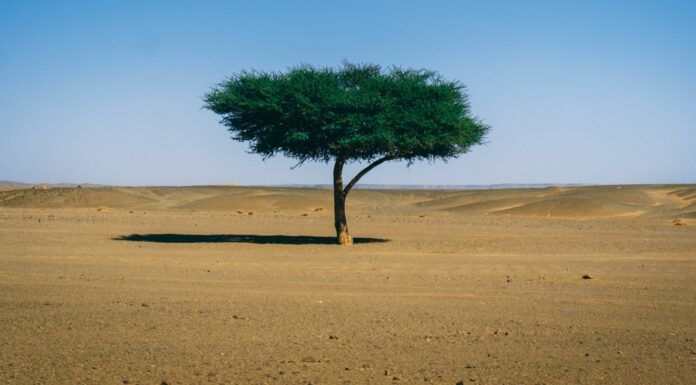
An international team of scientists has found an abundance of trees – more than 1.8 billion – in an area of West Africa that has received less attention for its foliage than for...
Written by: Kimberly White
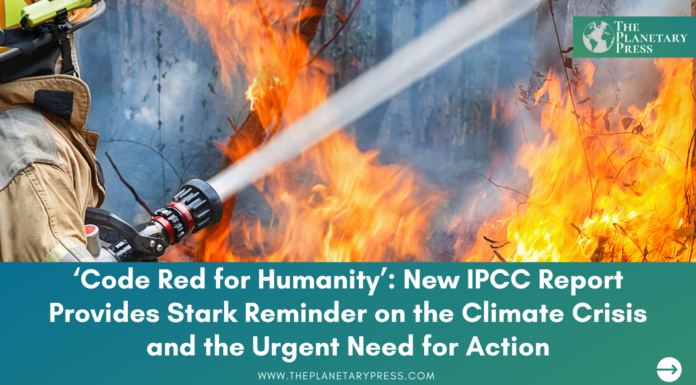
Humankind has caused unprecedented warming and irreversibly altered the planet, according to a new report from the Intergovernmental Panel on Climate Change (IPCC).
The report, Climate Change 2021: The Physical Science Basis, details the impact humankind has...
Written by: Green Diplomacy Staff
2023 ambitiously starts with the launch in January of the new blog "Green Diplomacy": a forum for diplomatic action in international environmental law, where renowned jurists and practitioners provide diplomats with actionable legal proposals.
It is...
Written by: James Dacey
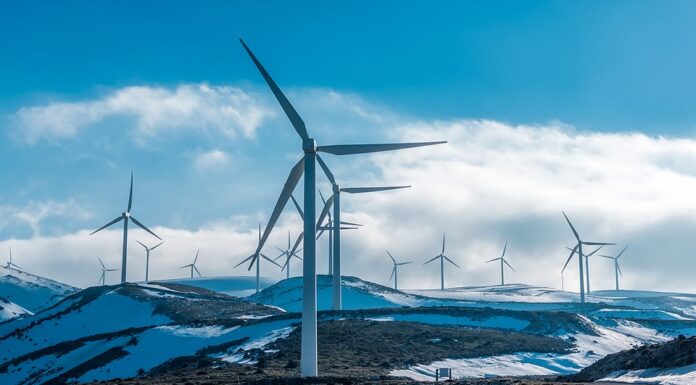
More people are moving to cities. Some forecasts predict that two thirds of the world’s population will live in urban areas by the middle of the century, and in Europe that figure may be 84 percent. Recognizing the...
Written by: Kimberly White
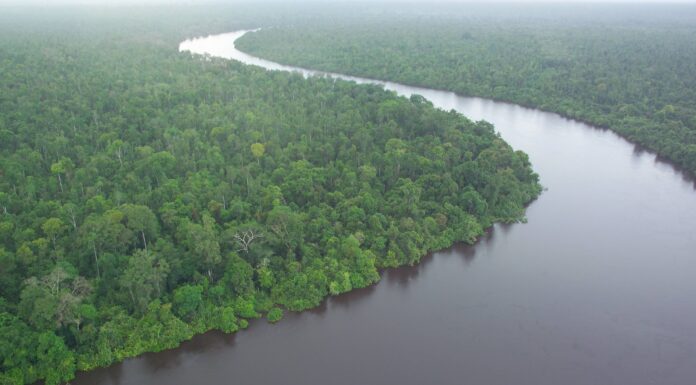
Restoring one of the world's rarest habitats could prevent the release of 394 million tonnes of carbon dioxide.
Peatlands are a type of wetland created when decaying vegetation and organic materials are waterlogged and accumulated for thousands...
Written by: Sacha Mooney, Hannah Victoria Cooper, and Sofie Sjogersten
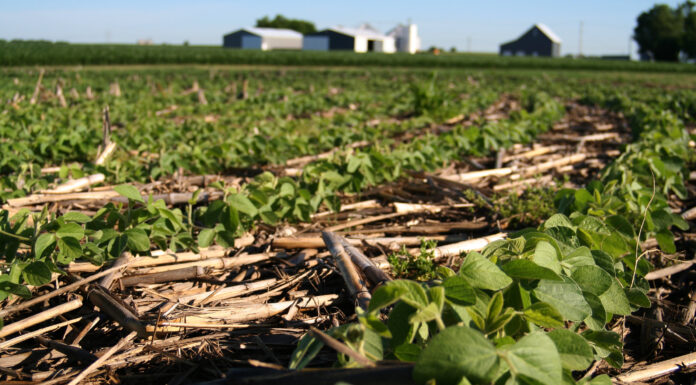
Perhaps because there are no chimney stacks belching smoke, the contribution of the world’s farms to climate change seems somehow remote. But agriculture accounts for a staggering 26 percent of all...
Written by: Kimberly White
Google has pledged to no longer build custom artificial intelligence (AI) tools for oil and gas companies to extract fossil fuels from around the globe.
In an interview with theCUBE, Google Cloud managing director Will Grannis stated...
Written by: Johnny Wood
Unsustainable economic growth has had devastating consequences for ecosystems that are under threat from climate change, species extinction and water insecurity. And now it's time for a rethink of our relationship with nature.
Approximately $133 billion is...

Written by: Kimberly White
The United Kingdom is set to host the 2020 UN Climate Change Conference. The UK won over international partners and will host the 26th Conference of the Parties (COP26) in partnership with Italy.
COP26 will bring together...
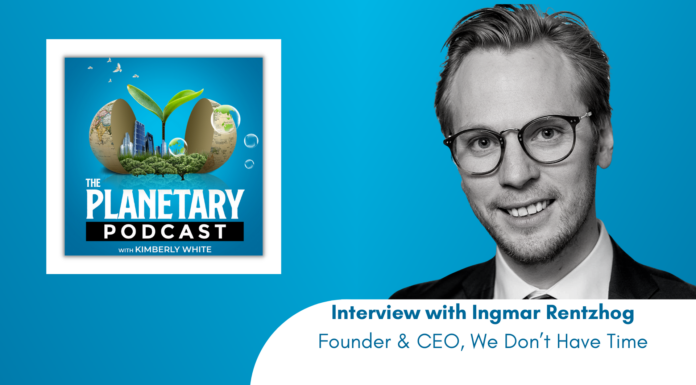
https://youtu.be/O6qBlTQBwxw
Interview TranscriptTranscribed by Otter AI
Kimberly WhiteHello and welcome to The Planetary Podcast. Today we are joined by Ingmar Rentzhog, Founder of We Don't Have Time. Thank you so much for joining us today, Ingmar!
Ingmar RentzhogThank you so much, Kimberly.
Kimberly...
Latest article

Safeguarding the Australia’s Iconic Koala: NSW Government Unveils Plans for Landmark Conservation Reserve
Written by: Rhett Ayers Butler
Few animals tug at Australian hearts like the koala. Yet the marsupial, once common along the eastern seaboard, was declared...
How Healthy Soil and Land Creates Solid Ground for Global Resilience
Written by: Andrea Meza Murillo and Gill Einhorn
Beneath every field, forest and city lies the quiet infrastructure of life. Soil is the foundation for...

Growing a Mix of Plants in Fields Can Save Farmers Money and Help the...
Written by: Caroline Brophy
Farmers have increasingly sown a single type of grass in their fields over the past 100 years, and then added chemical...