
Written by: Kimberly White
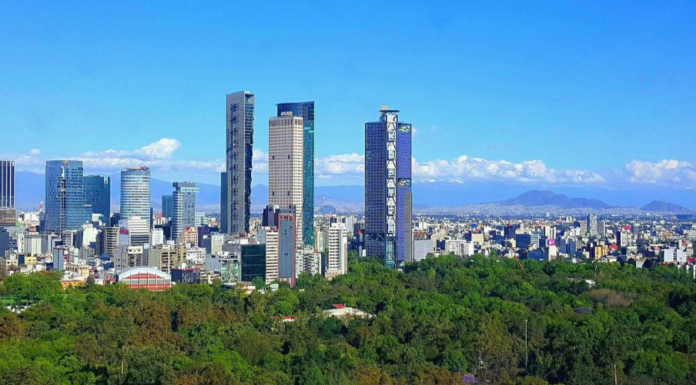
Mexico City has been recognized for its work to combat the climate crisis.
WWF has announced that Mexico City is the Global Winner of its 2020 One Planet City Challenge (OPCC). Created in 2011, the OPCC aims...
Written by: Samantha Harrington
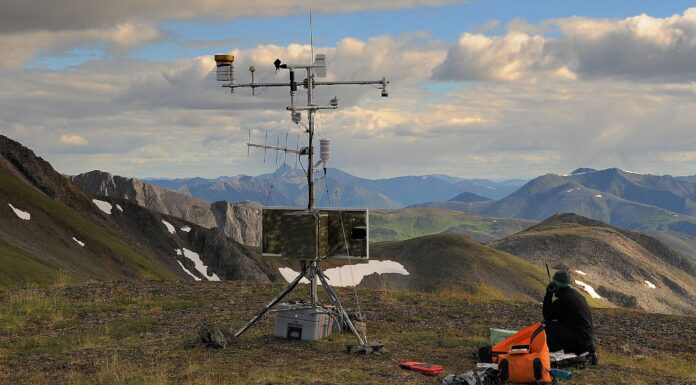
The scientific consensus that climate change is happening and that it is human-caused is strong. Scientific investigation of global warming began in the 19th century, and by the early 2000s, this research began to coalesce into confidence...
Written by: Sophia Simmons
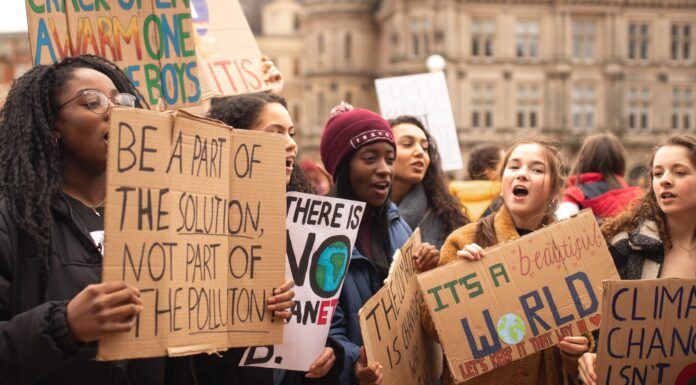
As world leaders meet at the Conference of the Parties 26 (COP26) in Glasgow, how are young people addressing the many facets and immensity of this global crisis, and what does the world need young people...

Written by: Christopher Bonasia
A new report chalks out pathways for the United States to heavily reduce the amount of mined lithium it needs to decarbonize transportation and sidestep “irreversible harms” to water, air, and animal habitats—especially near Indigenous lands.
“The...
Written by: Paul W Thomas
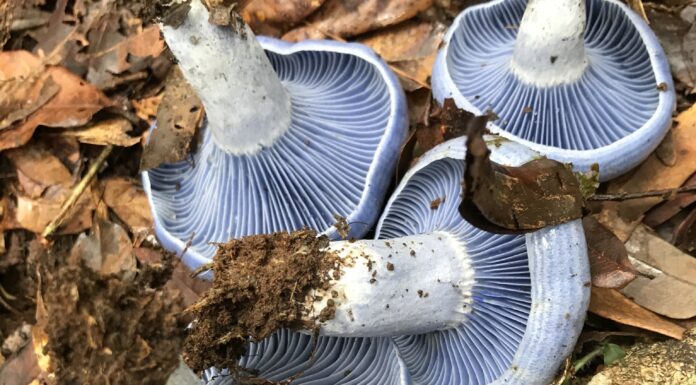
The conversion of forests to agricultural land is happening at a mind-boggling speed. Between 2015 and 2020, the rate of deforestation was estimated at around 10 million hectares every year.
Compared to 2012, the UN’s Food and Agriculture...

Written by: Rahma Diaa
After Egyptian farmer Muhammad El-Desouki lost more than half of his tomato crop to a long heatwave, he no longer thinks about climate change as a future problem.
El-Desouki’s farm lies north of Cairo, in Menoufia, a governorate that...

Written by: Kieran Cooke
Driving an electric-powered vehicle (EV) rather than one reliant on fossil fuels is a key way to tackle climate change and improve air quality − but it does leave the old batteries behind as a nasty...
Written by: Christopher Boone & Karen C. Seto
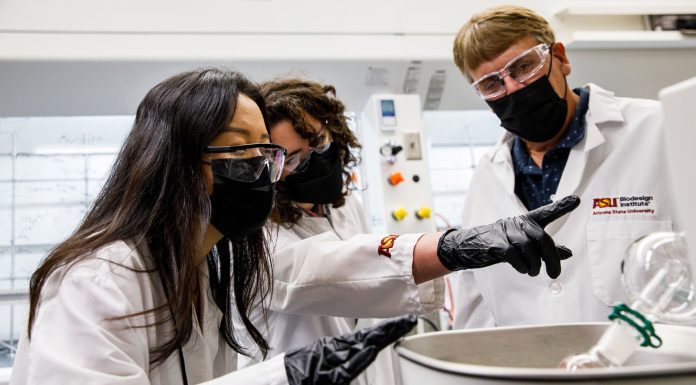
To meet today’s global sustainability challenges, the corporate world needs more than a few chief sustainability officers – it needs an army of employees, in all areas of business, thinking about sustainability in...
Written by: Josh Ettinger
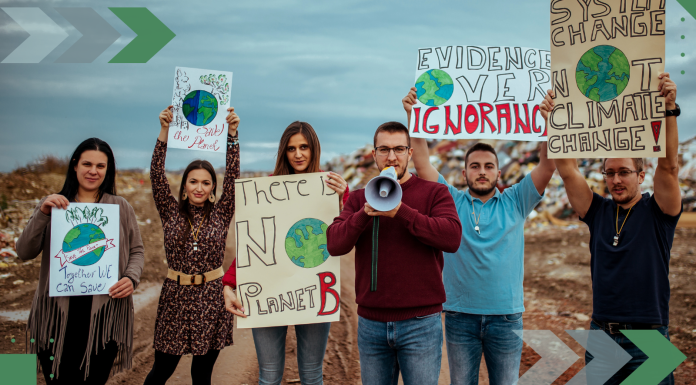
The Intergovernmental Panel on Climate Change’s latest report is a sobering read, which some describe as a “final warning” from scientists. The core message remains the same as prior IPCC reports: human-driven climate change is happening, it’s bad,...
Written by: Kimberly White
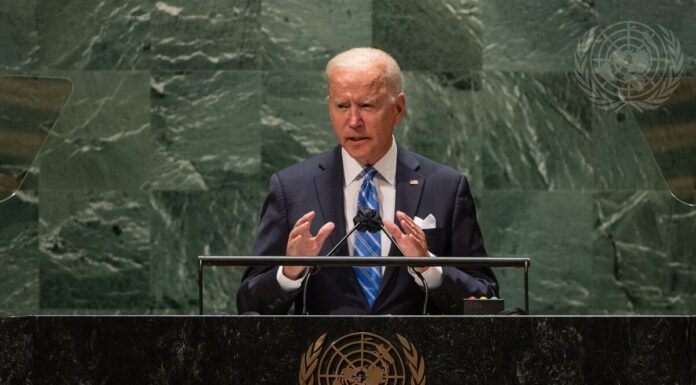
The United States has pledged to double its international climate finance contribution.
The U.S. initially committed to a contribution of $5.7 billion annually at President Biden's Leaders Summit on Climate in April. Environmentalists criticized the contribution as...
Latest article
This South American Nation Pledged to Protect 90% of its Forests
Written by: Kimberly White
One South American nation plans to protect nearly all of its forests. In the weeks leading up to last year's COP30...

How to Avoid Tick Bites in Your Yard or While Hiking in the Woods,...
Written by: Amanda Roome
Ticks are small, and you might not notice when they bite, but the diseases they carry can dramatically harm your health.
Each...

Mozambique’s ‘Butterfly Forest’ Gains New Protection
Written by: Shanna Hanbury
Mozambique has formally protected Mount Mabu, a hotspot of endemic wildlife and home to more than 200 species of butterflies, located...