Written by: Paul Brown
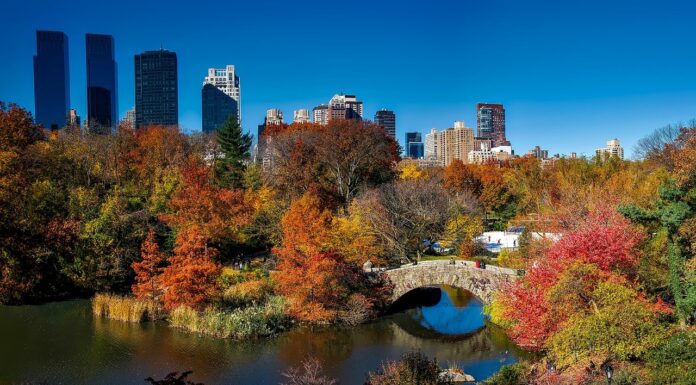
A vast study of the incidence of heart disease, the amount of green spaces and air quality in each county of the United States has shown that the presence of trees, shrubs and grass saves lives.
It has...
Written by: Michael Beck and Pelayo Menéndez
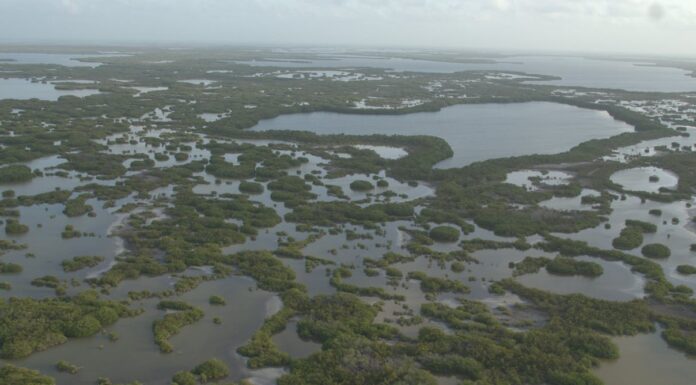
Hurricanes and tropical storms are estimated to cost the U.S. economy more than US$50 billion yearly in damage from winds and flooding. And as these storms travel across the Atlantic, they also ravage many Caribbean...
Written by: Maxwell Radwin
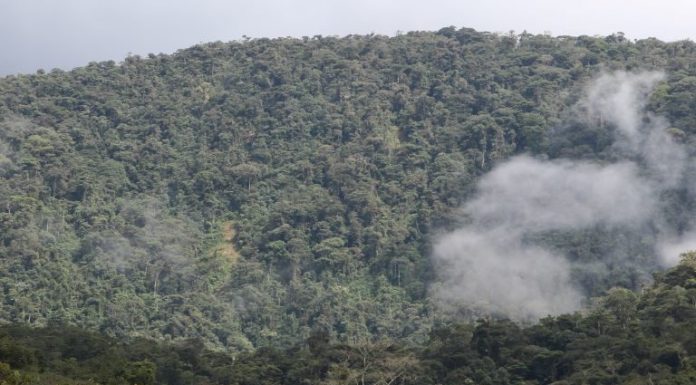
An Indigenous community in Ecuador has finally obtained national protections for part of its territory after decades of fighting off deforestation and pollution in its mega-diverse rainforests.
Ecuador’s National System of Protected Areas now includes the 5,497-hectare...
Written by: Liz Kimbrough
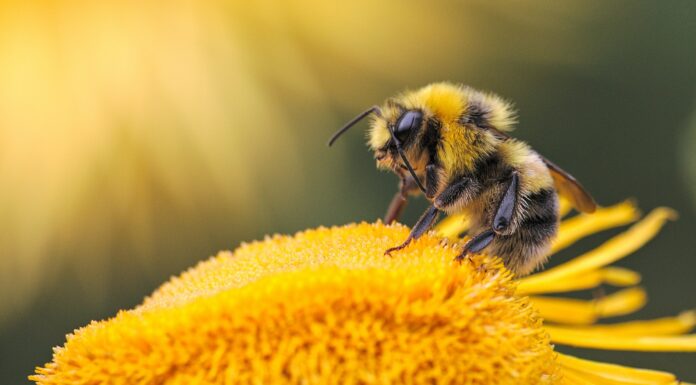
A California court has ruled that state legislation on endangered species can apply to invertebrates. The decision this week by the Third District Court of Appeal means insects, including four endangered native Californian bumblebee species and the monarch...
Written by: Alex Thornton
How much space do you think you need to grow a forest?
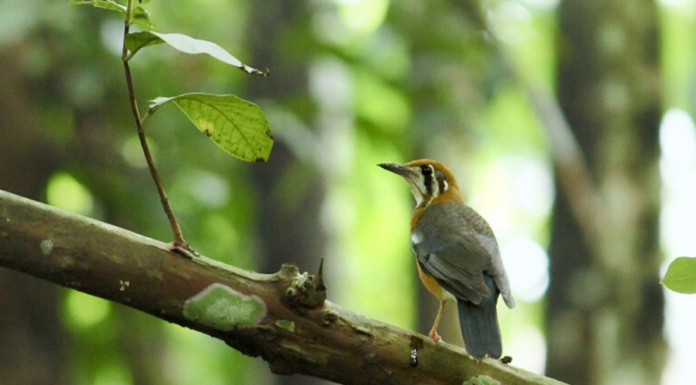
If your answer is bigger than a couple of tennis courts, think again. Miniature forests are springing up on patches of land in urban areas around the...
Written by: Rachel Killean
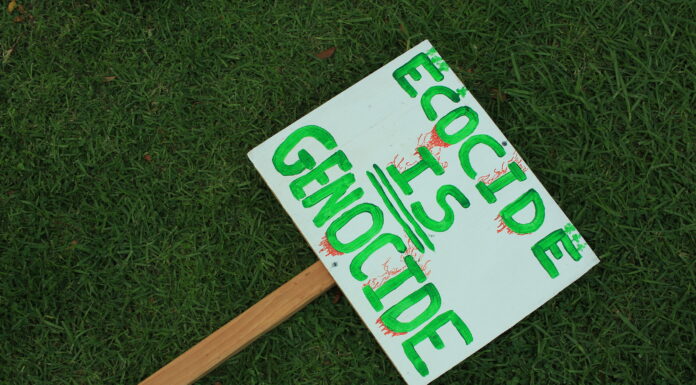
In November, the world’s first global citizens’ assembly – made up of 100 people chosen by lottery from around the world – declared its recommended responses to the climate crisis at the UN climate conference COP26. Among these recommendations...
Written by: Johan Oldekop, Bowy den Braber, and Marina Schmoeller
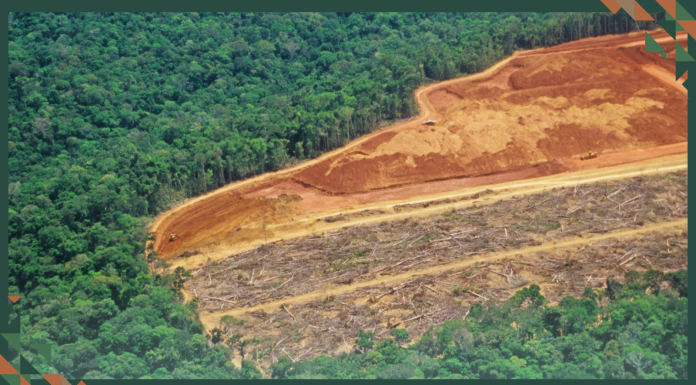
Although deforestation rates in the Brazilian Amazon have halved, it is still losing more than 5,000km² every year. That’s an area three times larger than Greater London.
By combining satellite imagery for...
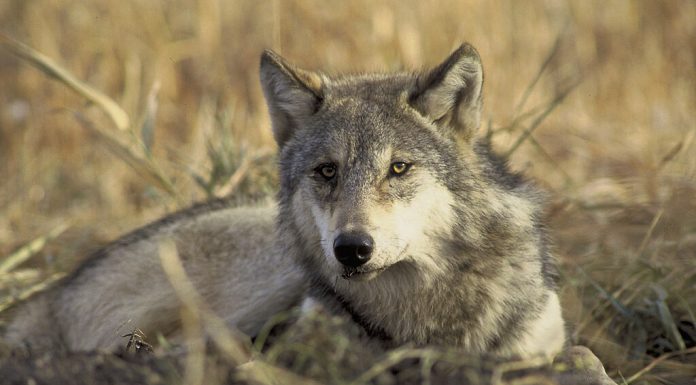
Written by: Victoria Masterson
Rewilding could help the western US fight climate change and protect more than 90 threatened species, including the grey wolf and North American beaver, ecologists say.
“We are in an unprecedented period of converging crises in the American...
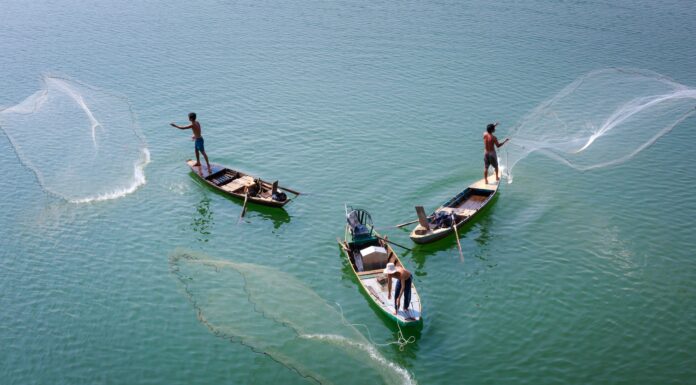
Written by: Derek Armitage, Ella-Kari Muhl, Merle Sowman, Philile Mbatha, and Wayne Stanley Rice
A little more than a year ago, the Haida Nation released the Land-Sea-People plan to manage Gwaii Haanas, off the coast of northern British Columbia, “from mountaintop to...
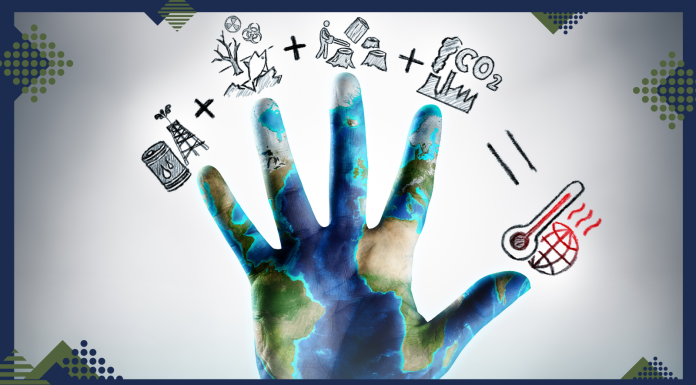
Written by: Preety Sharma and Ayeshah Haque
This year, organizers of Earth Day are calling for widespread climate education as a critical step in the fight against climate change.
A new report, released in time for global attention for Earth Day on April 22, highlights the...
Latest article
Safeguarding the Australia’s Iconic Koala: NSW Government Unveils Plans for Landmark Conservation Reserve
Written by: Rhett Ayers Butler
Few animals tug at Australian hearts like the koala. Yet the marsupial, once common along the eastern seaboard, was declared...
How Healthy Soil and Land Creates Solid Ground for Global Resilience
Written by: Andrea Meza Murillo and Gill Einhorn
Beneath every field, forest and city lies the quiet infrastructure of life. Soil is the foundation for...

Growing a Mix of Plants in Fields Can Save Farmers Money and Help the...
Written by: Caroline Brophy
Farmers have increasingly sown a single type of grass in their fields over the past 100 years, and then added chemical...