
Written by: Kimberly White
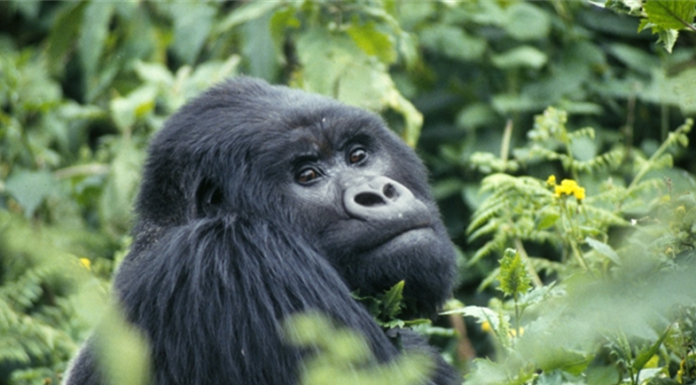
Mountain gorillas are ending the decade on a positive note. According to a new census, the mountain gorilla population in Uganda’s Bwindi Impenetrable National Park has increased.
The census was conducted by the Protected Area Authorities in...
Courtesy of Yale Climate Connections
Written by: Daniel Grossman
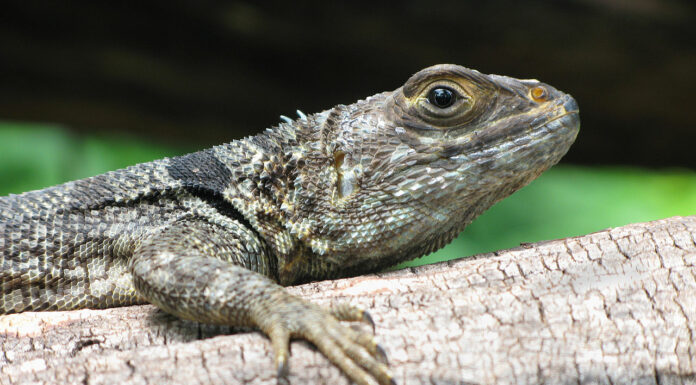
Barry Sinervo and two dozen coauthors in 2010 published a scientific paper that dismayed wildlife experts. A biologist at the University of California, Santa Cruz, Sinervo had developed a model for predicting...
Written by: Kimberly White
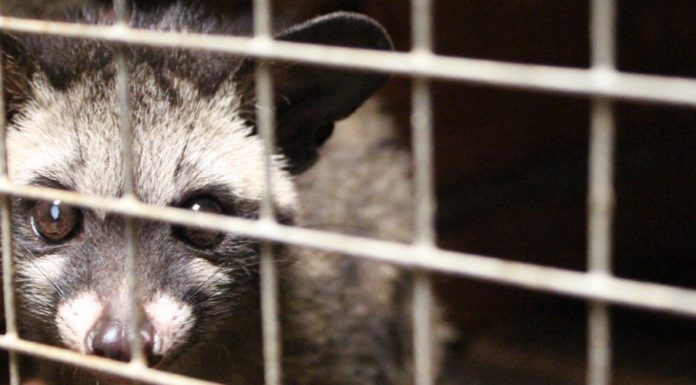
A new coalition has launched to put an end to the commercial wildlife trade. WildAid, Global Wildlife Conservation, and the Wildlife Conservation Society formed the Coalition to End the Trade in hopes of preventing future...
Written by: Kimberly White
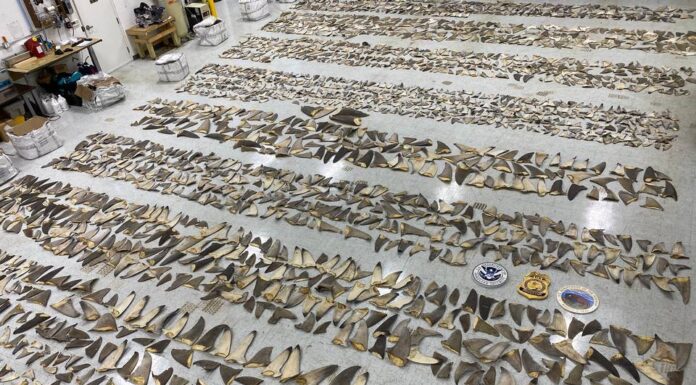
U.S. government officials recently seized 1,400 pounds of shark fins at a port in Miami, Florida. Wildlife inspectors discovered the shark fins hidden in eighteen boxes on a ship docked in Miami last month.
Officials estimate that...
Written by: Kimberly White
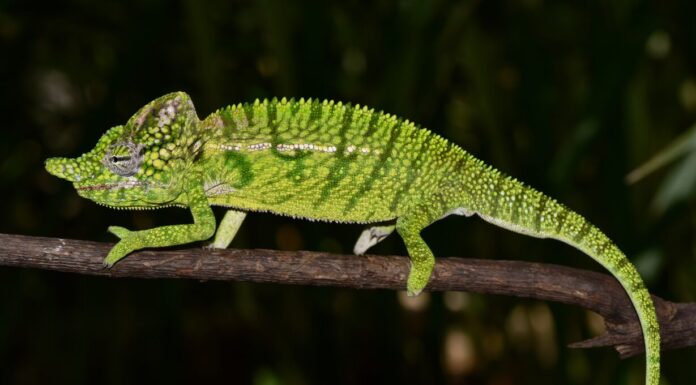
Scientists have rediscovered a “lost” species of chameleon. During a two-week expedition in Madagascar, a team of scientists successfully rediscovered the Voeltzkow’s chameleon. The expedition took place in 2018 but its findings were only recently announced...
Written by: Greg Asner
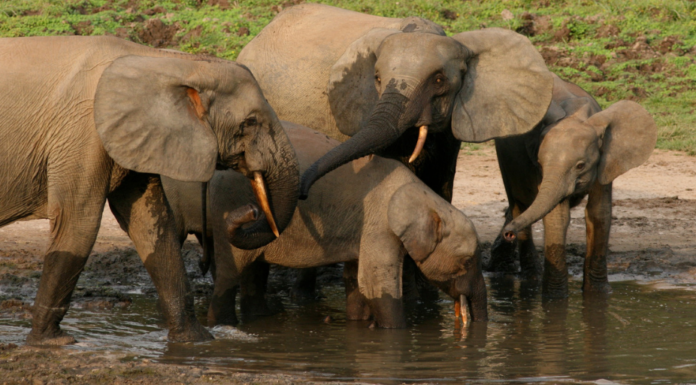
Humans are dismantling and disrupting natural ecosystems around the globe and changing Earth’s climate. Over the past 50 years, actions like farming, logging, hunting, development and global commerce have caused record losses of species on land and at...
Written by: David Obura
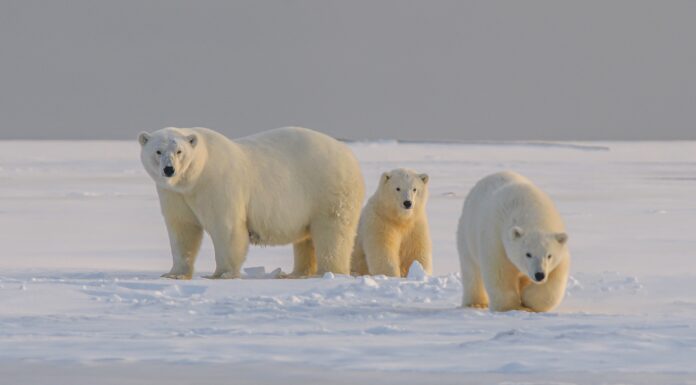
A framework to help countries develop national strategies for the conservation and sustainable use of their natural resources is nearing completion. The so-called ‘post-2020’ global biodiversity framework will provide goals and targets to stem and reverse the decline...
Written by: Louise Gentle
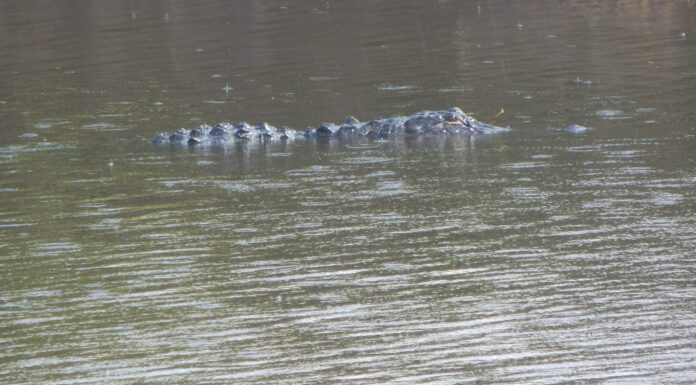
Reptiles are cold-blooded and scaly animals, the majority of which are predators. They include some of the most deadly and venomous creatures on Earth, including the spitting cobra and saltwater crocodile.
Many of these fascinating creatures are feared by humans and...
Written by: Kimberly White
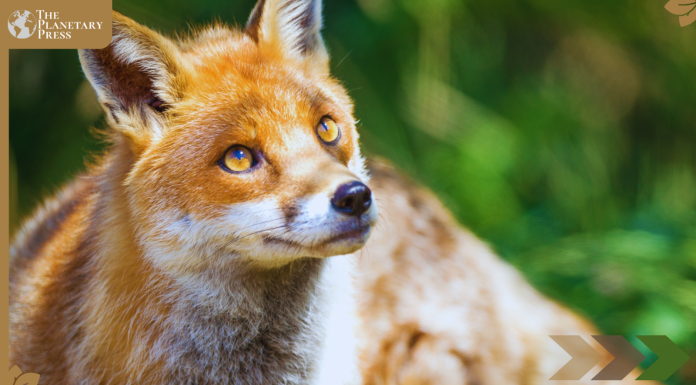
The sport of fox hunting has been relegated to the past in Scotland. The Scottish Government has recently passed legislation limiting hunts to two dogs, effectively ending the use of fox hunting packs.
The Hunting with Dogs...
Written by: Isabelle Catherine Winder
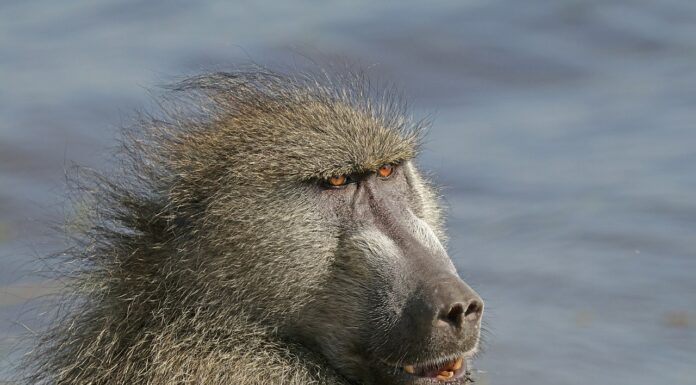
Baboons are large, smart, ground-dwelling monkeys. They are found across sub-Saharan Africa in various habitats and eat a flexible diet including meat, eggs, and plants. And they are known opportunists – in addition to raiding...
Latest article
Safeguarding the Australia’s Iconic Koala: NSW Government Unveils Plans for Landmark Conservation Reserve
Written by: Rhett Ayers Butler
Few animals tug at Australian hearts like the koala. Yet the marsupial, once common along the eastern seaboard, was declared...
How Healthy Soil and Land Creates Solid Ground for Global Resilience
Written by: Andrea Meza Murillo and Gill Einhorn
Beneath every field, forest and city lies the quiet infrastructure of life. Soil is the foundation for...

Growing a Mix of Plants in Fields Can Save Farmers Money and Help the...
Written by: Caroline Brophy
Farmers have increasingly sown a single type of grass in their fields over the past 100 years, and then added chemical...