
Written by: Liz Kimbrough
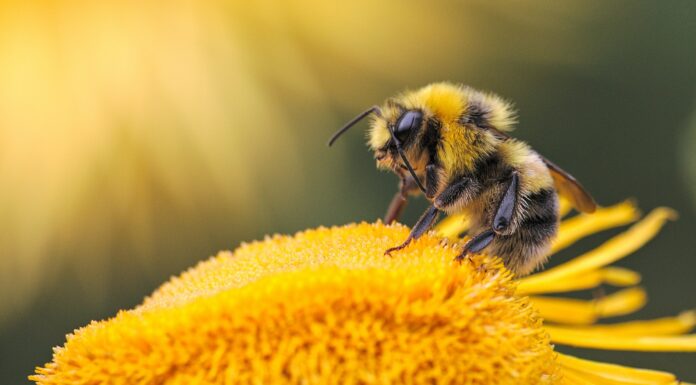
A California court has ruled that state legislation on endangered species can apply to invertebrates. The decision this week by the Third District Court of Appeal means insects, including four endangered native Californian bumblebee species and the monarch...
Written by: Kimberly White
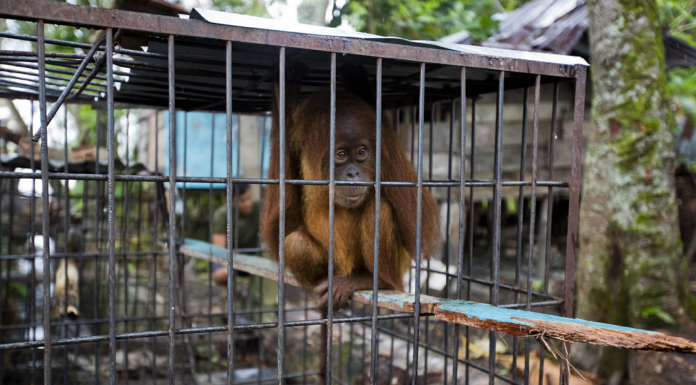
A new alliance has formed to take on the illegal wildlife trade.
To mark World Environment Day, an alliance of environmental, policy, legal, business, and public health experts have banded together to address the serious gaps in...
Written by: John E. Scanlon
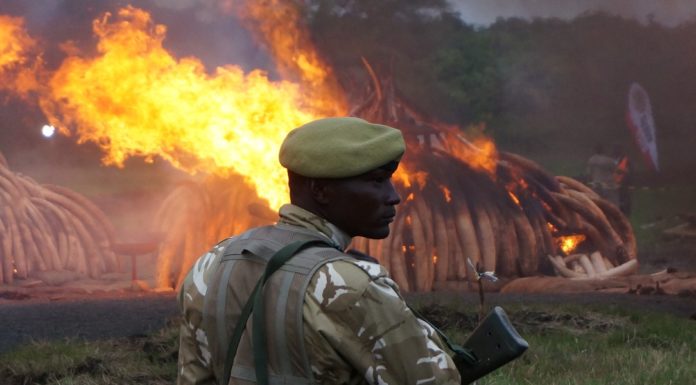
There is no global agreement on wildlife crime, nor any universally agreed definition of wildlife crime.
In the absence of such an agreement, CITES, the Convention on International Trade in Endangered Species of Wild Fauna and Flora, a trade convention created to...

Written by: Elizabeth Claire Alberts
The Polynesian tree snail, a tiny mollusk about the size of an aspirin pill, used to be found in abundance on Tahiti, the largest island in French Polynesia. But about 30 years ago, the little snail...
Written by: Colin Sytsma
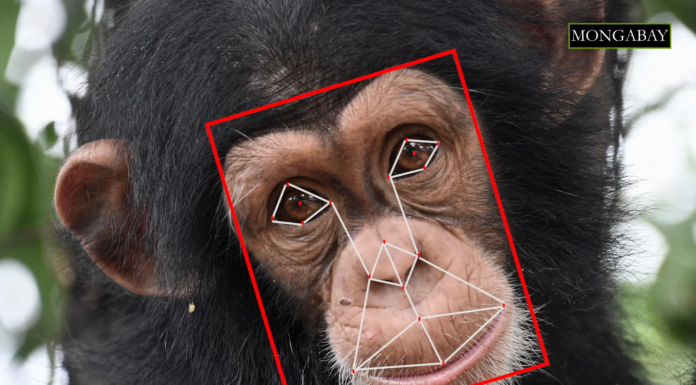
The global spread of social media has created unparalleled opportunities for wildlife traffickers to advertise their illicit wares to potential buyers around the world. Traffickers can use platforms like Facebook or Instagram not only to post...
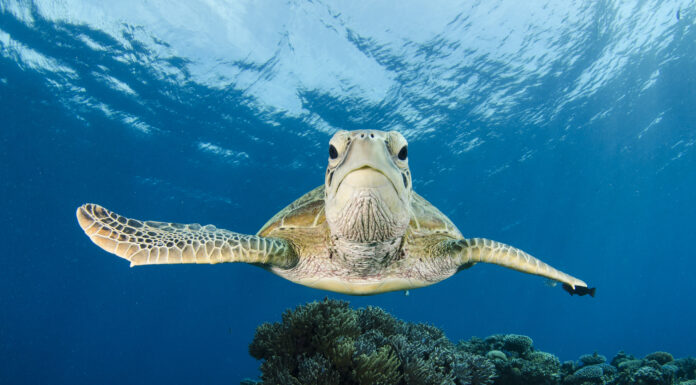
Written by: April Burt, Adam Pritchard, and Cheryl Sanchez
It’s not always easy to assess whether animal conservation measures have worked. But we’ve discovered that green turtles of Seychelles – once almost hunted to extinction – are now thriving again....
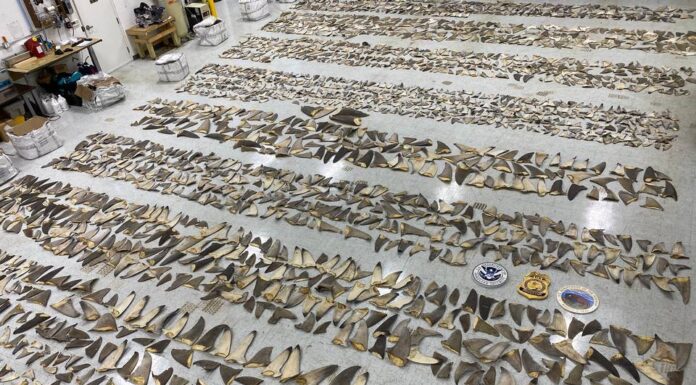
Written by: Kimberly White
U.S. government officials recently seized 1,400 pounds of shark fins at a port in Miami, Florida. Wildlife inspectors discovered the shark fins hidden in eighteen boxes on a ship docked in Miami last month.
Officials estimate that...
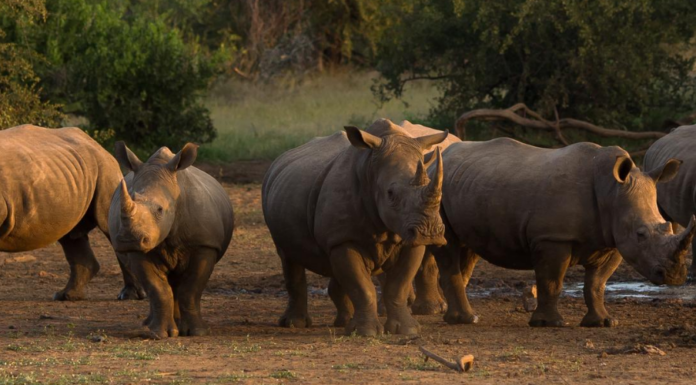
Written by: Kimberly White
Rhino poaching has decreased significantly in South Africa and Namibia.
Rhino poaching in South Africa fell by 53 percent in the first six months of this year. During the first half of the year, 166 rhinos were...
Written by: Kimberly White
Last week, the International Union for the Conservation of Nature (IUCN) released their new study, Reforesting for the climate of tomorrow.
Researchers identified key tree and plant species that are resilient to climate change.
The study analyzed 250 species...
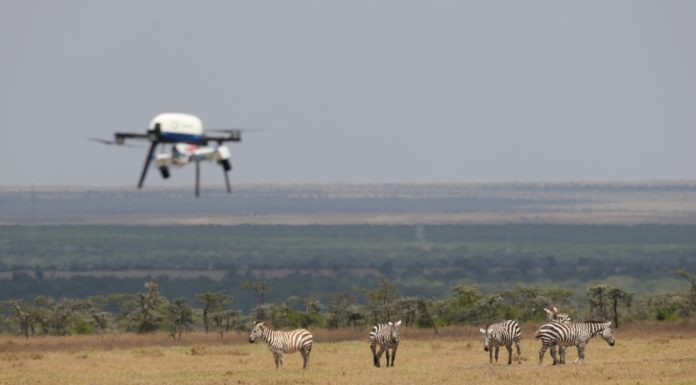
Written by: Jane Thoning Callesen
As the planet faces an unprecedented crisis in biodiversity loss, traditional methods of tracking and protecting endangered species are no longer sufficient.
Ecologists and conservationists have long relied on GPS collars, camera traps and field studies...
Latest article

Safeguarding the Australia’s Iconic Koala: NSW Government Unveils Plans for Landmark Conservation Reserve
Written by: Rhett Ayers Butler
Few animals tug at Australian hearts like the koala. Yet the marsupial, once common along the eastern seaboard, was declared...
How Healthy Soil and Land Creates Solid Ground for Global Resilience
Written by: Andrea Meza Murillo and Gill Einhorn
Beneath every field, forest and city lies the quiet infrastructure of life. Soil is the foundation for...

Growing a Mix of Plants in Fields Can Save Farmers Money and Help the...
Written by: Caroline Brophy
Farmers have increasingly sown a single type of grass in their fields over the past 100 years, and then added chemical...